
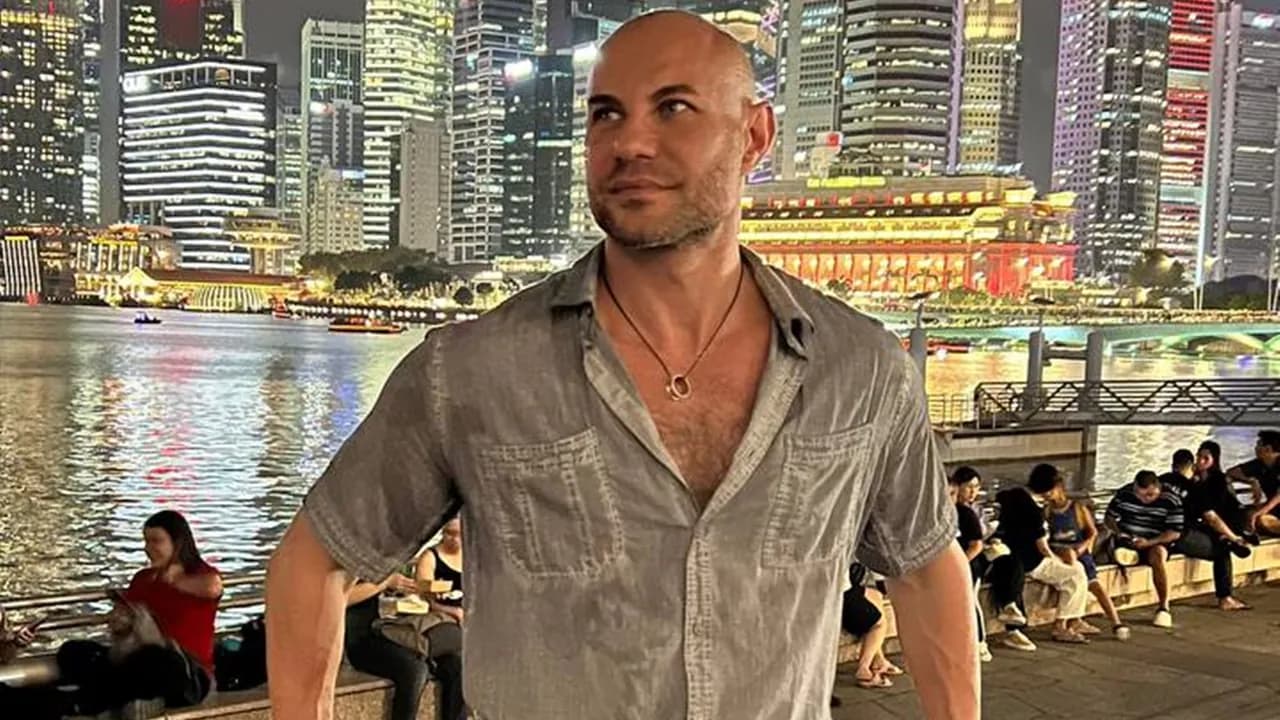
How investigator Evgeny Makarenko swapped the Investigative Committee’s “interrogation record” for a “little confession” — coaching
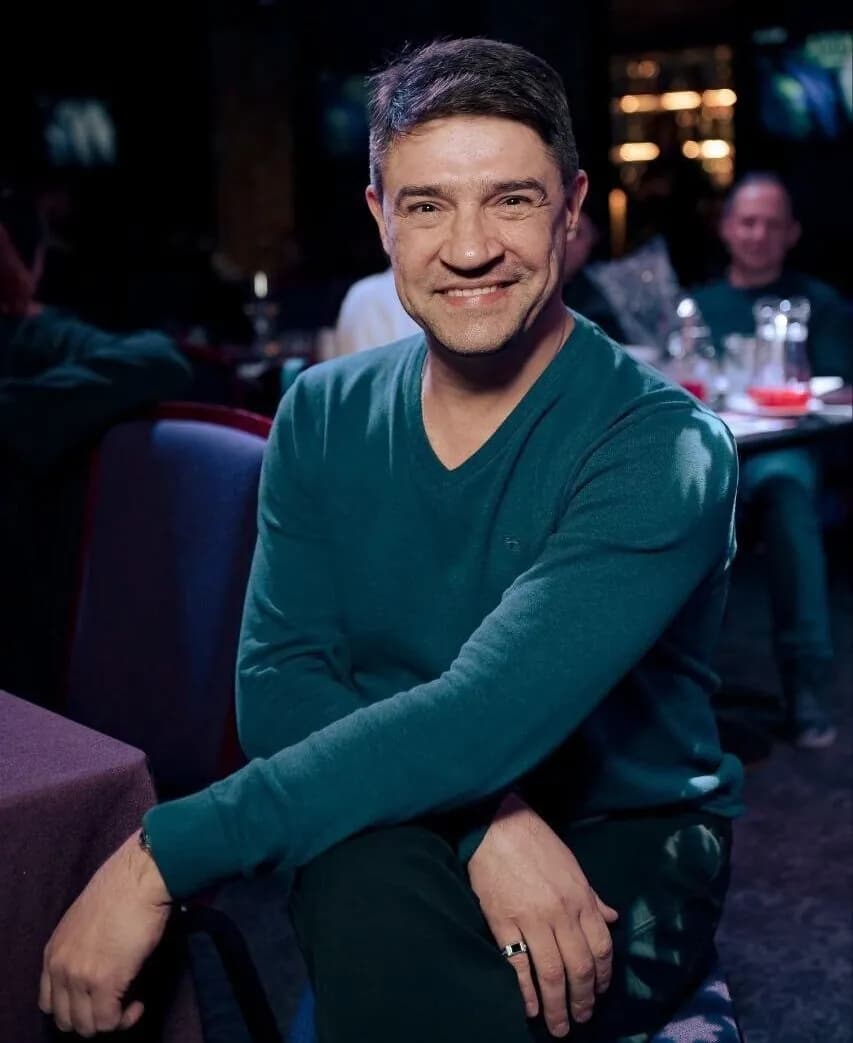
Evgeny Makarenko
Coaching changed my worldview. I think it even changed my life
Point A
- After the Prosecutor’s Office, the Investigative Committee and eight years at the bar, he was used to interrogating, advising and deciding for others.
- He thought he knew how to listen, but often pushed people, even when talking to his son.
- He was looking for a new profession with a system, practice and meaning.
Point B
- He learned to hear a person without pressure or ready-made answers.
- He changed his relationship with his son and started working with teenagers.
- He has held about 17 sessions and received his first decent fees for coaching.
In a video of an ordinary get-together with friends, Evgeny suddenly saw himself from the outside. Someone at the table is telling a story, the others interrupt, put in their own two cents, steer the conversation off course. And he sits and listens. He doesn’t nod automatically, doesn’t prepare an answer, doesn’t pull the attention to himself. He just listens.
“Zhenya, you’re the only one who really listened to me,” one of his friends told him afterwards. Later he laughed: he used to think he knew how to listen too. Then he realised that listening and simply waiting for your turn to speak are different things.
For a man who had spent his whole life asking questions at the Prosecutor’s Office, the Investigative Committee and the bar, it was a funny twist. He had always known how to ask questions. But coaching at the 5 Prism Academy taught him something else: not to interrogate, not to persuade, not to rescue, but to listen in a way that makes the person start thinking for themselves.
Coach Evgeny Makarenko juggles meanings deftly. He talks fast, with irony, jumping from memories of an investigator’s daily routine to Timothy Gallwey, the creator of the “Inner Game” method. From conversations with his son to quotes from Yevtushenko. In him, a tough masculine directness (the school of investigation shows) sits naturally alongside a kind of youthful, eager interest in people and new knowledge.
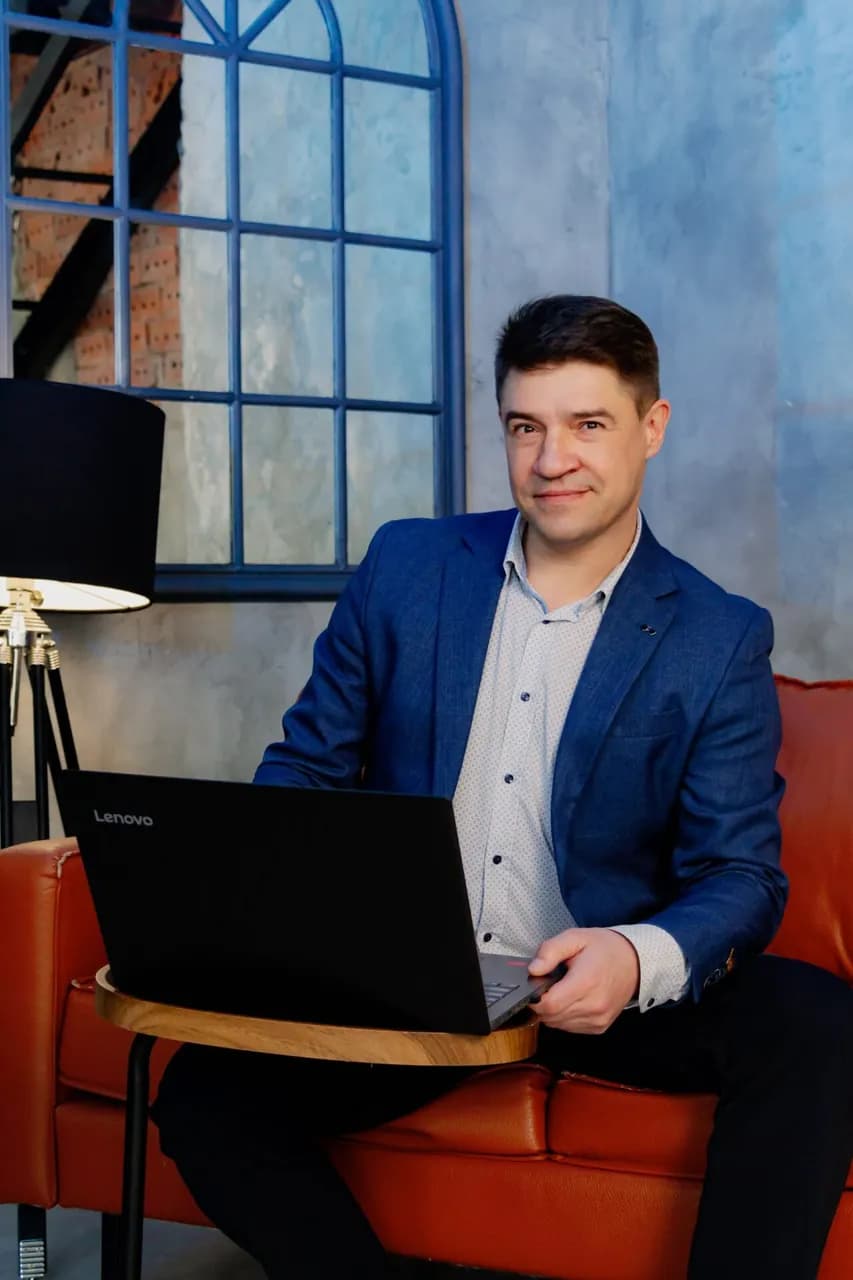
From an investigator’s questions to a coach’s
Evgeny’s career path: the Prosecutor’s Office, the Investigative Committee, then eight years as a lawyer. All his life his profession was built on questions: interrogations, looking for inconsistencies, pressure, the defence’s position.
“All my life I defended people’s rights, communicated, asked questions, and I tried to talk to the accused like a human being too (which is why they always respected me),” Evgeny recalls. But in coaching a question works completely differently. An investigator digs to find a fact for the case. A lawyer looks for an argument for the defence. And a coach asks a question so that the person can see the truth about themselves. This was unfamiliar to him. They seem to be questions too. But the work is completely different.
From the outside his life looked flawless: status, experience, the ability to take a hit. But inside, an understanding was gradually ripening: he was tired of being a fixer and an adviser (legal work trains you to make decisions). Coaching, on the contrary, made him hold the pause: not to rush to answer, but to let the person reach their own decision.
Evgeny did not come to the 5 Prism Academy by chance. He studied different schools, listened to courses, looked at graduates, checked whether he could trust the programme. It was important to him that the training gave not a pretty wrapper but a profession: with practice, structure, tools and clear quality.
“Coaching changed my worldview. I think it even changed my life,” says Evgeny.
One of his first discoveries was fact-based thinking. He noticed that he had started judging people less and hearing more of what was actually going on. His attitude towards people changed, and following that, people’s attitude towards him began to change too.
But the main tool that has literally become part of his life is active listening.
His son, teenagers and the focus of attention
Talking to Evgeny, you quickly understand that the teenage theme is no accident for him. He knows how to be firm without pushing. For boys, that is a rare combination.
Yes, the surname Makarenko hints at his strength. Evgeny himself would probably laugh at the parallel. But the coincidence still works: teenagers turn up in his story too persistently to put it down to chance.
His son Artem is 16. After the training, Evgeny changed the way he talks to him: he removed the pressure. Not “I’m your father, do as I say”, but “what do you think?”, “what matters to you?”. started by no longer lecturing and beginning to ask questions, and one day his son came out with: “You know, I can’t even remember the last time you raised your voice at me” (translated from teenager: it’s safe with you).
The swimming pool story Evgeny shared is a special kind of “magic”: first he tested the principle of focusing attention on himself, and then he shared it with his son. Instead of panicking over “will I make it or not”, just count the strokes, focusing on the moment. They made it. Both of them.
“Dad, so this works in every area of life!” — his teenage son was stunned.
Evgeny loves this example precisely for that: his son drew the conclusion himself. Not because his father explained it to him, but because he lived through the experience.
Today he is supporting several teenagers. One boy was suffering from loneliness — after four sessions he found a friend. In another case, the parents tried to use the coach to “push” their son into the profession they wanted (mum for one option, dad for another, the son against everyone). But Evgeny set firm boundaries: “I’m not a manipulator. My job is to help the boy hear himself, and to help the parents see that in front of them is not a business project but a living person.” The work there is still going on, but the conversation in the family has already become more honest.
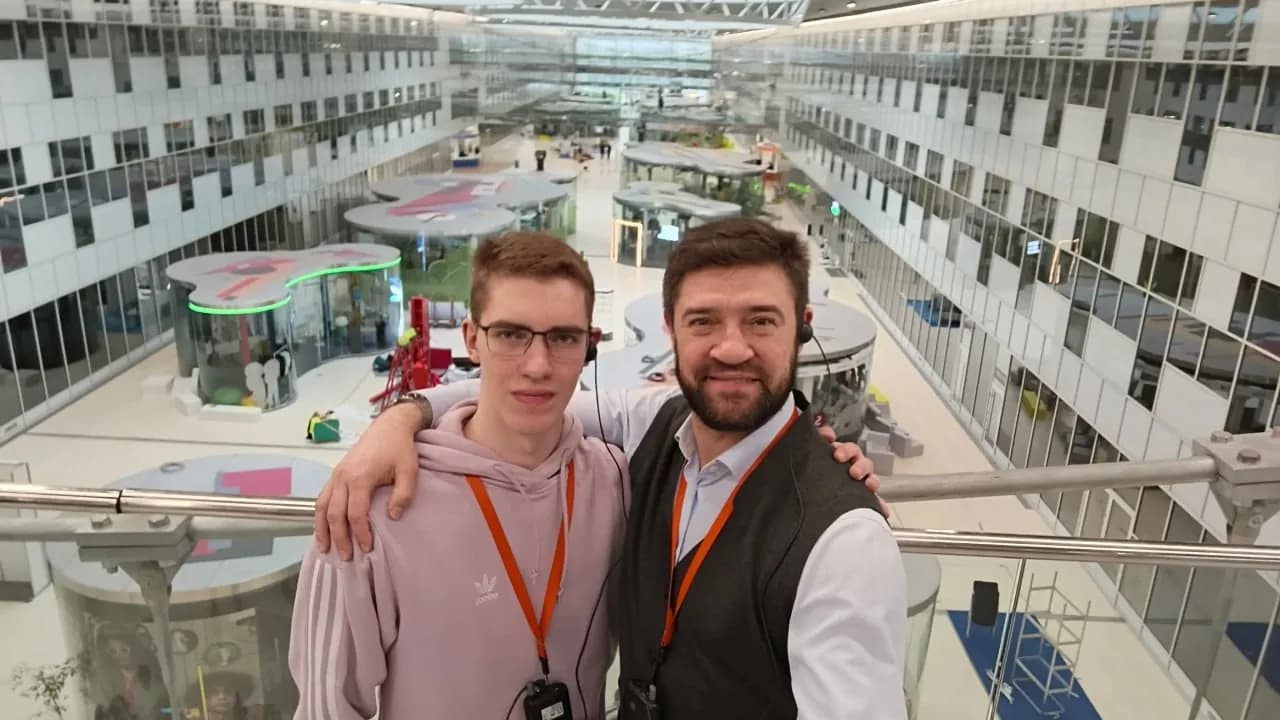
Why Evgeny calls a session a little confession
The assessment at the Academy was two months ago. At the time of our conversation he had held about 17 sessions. Some were in exchange for reviews, some already for a decent fee. He remembers his first payment down to the minute.
“2 May. My first coaching fee came in. I’m sitting there with goosebumps all over,” he recalls.
The requests pour in, all kinds of them. There was a young woman, a manager at a bank, who was suffering because older employees did not take her seriously. After the sessions she breathed out: the problem turned out to be much smaller than her imagination had painted it. There was a businessman who, in five meetings, saw a new direction and moved into a legal project.
Evgeny calls a session a “little confession” — a space where a person finally takes off their armour.
“When a person’s soul starts to sing in front of you, when they dream… That’s the real buzz,” he says.
Coaching helped Evgeny carry his natural meticulousness and a lawyer’s composure into a new format. All his life he asked questions to get to the truth. Now he asks them to broaden a person’s thinking.
Active listening, metaphors, poetry, a lawyer’s composure — this is what gradually shapes his manner: warm, but without vagueness. He has become calmer and makes decisions more mindfully. The new profession does not devalue his past; it gives him new skills.
To those who are unsure whether to go into coaching, Evgeny advises simply jumping into the water:
“Don’t be afraid to step into this river. Of course, there are hidden rocks, but it draws you in and gives you new meanings and opportunities.”
Evgeny is still at the start of his coaching practice. But the direction is clear: a man who for many years worked with conflict, pain and other people’s mistakes is now learning to work with choice, attention and growing up. Especially where it is often needed most — with teenagers.
Want the same result?
We will find a program that fits your goals