Coaching as the assemblage point of a new professional role
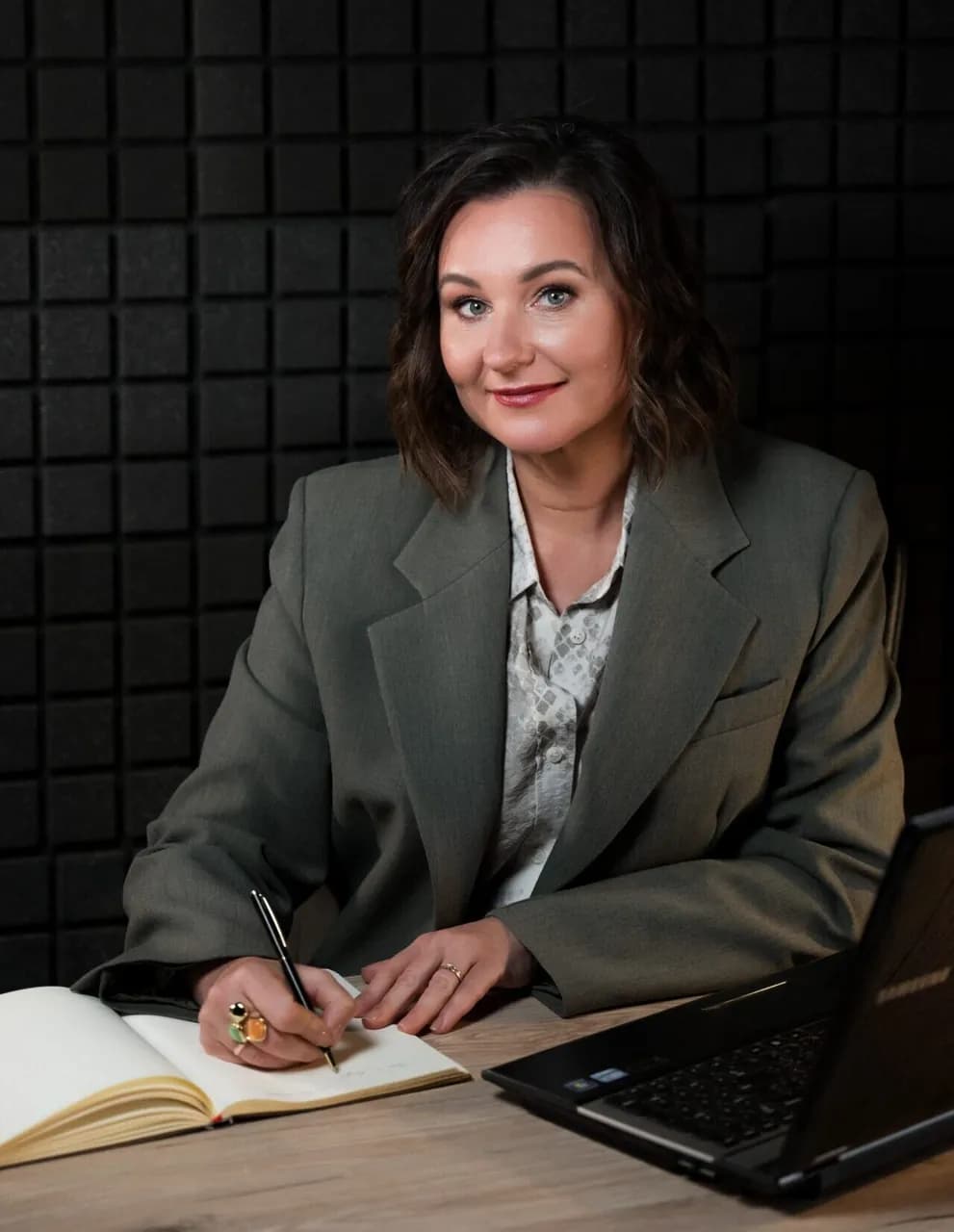
Marina Ustane
What did the 5 Prism Academy give me? An assemblage point!
Point A
- At 46 she had extensive experience in marketing, management and business, but did not want to help people on intuition alone.
- She went through moves, a divorce, cancer and recovery.
- She started promoting herself with an audience of just 300 followers.
Point B
- She took on her first clients just three weeks after starting the training.
- In a year and a half she has held more than 200 sessions and about 50 transformational games.
- She has built a practice in Russian and English with clients from more than 10 countries.
Marina is a person of scale. Her speech carries the energy of systems thinking: she doesn’t drift into abstractions, she immediately turns feelings into structure. Bright, charismatic, with a lively mind and a knack for holding attention. She has years of experience in management and negotiation behind her, so she speaks with confidence, in vivid images and to the point. Around her, people quickly stop doubting and start acting. Behind her are almost ten years in marketing, work for an international company in Riga, a move to Spain, life in different countries, four languages, three children and a children’s club in the Canary Islands that she set up with a partner. Plus a personal path that cannot be walked superficially. Divorce, therapy, a new relationship, cancer, treatment, recovery. All this has made her more attentive to people, deeper, more precise.
She came to the 5 Prism Academy at 46. She had long noticed that people came to her not only for help organising activities or for everyday advice. Parents at the children’s club, acquaintances, people around her would sit down next to her to talk, to figure things out, to feel their way to the next step. Yes, she had enough natural depth and life experience. But she no longer wanted to work “just from herself”, through personal wisdom; she needed a professional framework.
She wanted to avoid the image of a “wish-fulfilment coach” and instead become a specialist who works deeply, carefully and professionally, so she chose international-level coaching, because she wanted to enter the profession seriously from the start: with practice, standards, ethics, a clear methodology and ICF certification, which is recognised and highly valued in most countries of the world.

A route into the profession and first clients
The Academy gave her not only the foundations of coaching but also a clear route: how to start practising, how to reach your first clients, how to gather feedback, how to build trust and gradually turn a new skill into a full-fledged profession. Being a hands-on person, she started acting straight away.
“I realised that intuition is only the beginning. I wanted to go beyond ‘helping people’ and get a professional foundation on which you can build a practice for years to come,” Marina recalls.
One of the main inner turning points came through a simple question from the course teacher: “What result will what I am about to say or do lead to?” A question like this changes the tone of a conversation with a client, a child, a partner, a team and yourself. Choice appears where reaction used to be. Advice gives way to exploration. The habitual “I know what’s best for you” is replaced by respect for the person and their own decision.
Another anchor phrase: “Everything is a resource.” At first it provoked resistance. Especially in someone who had been through illness and recovery. Over time Marina saw the point: the resource lies in a new perspective. In the ability to let go of the question “why did this happen to me?” and start looking for what has now become clearer, more valuable, more honest.
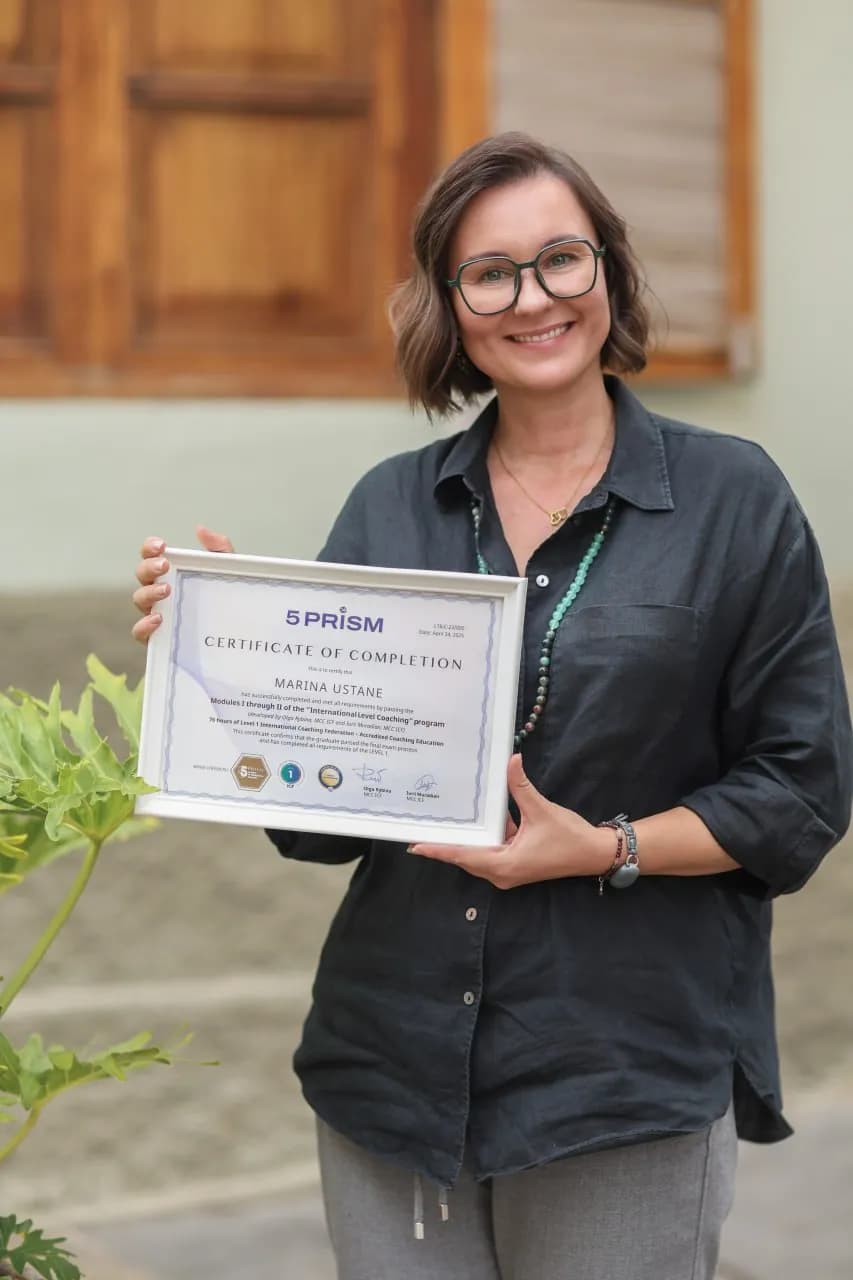
Marina did not wait for the moment when she would be “perfectly ready”. Just three weeks (!) after the training began, she started taking on her first clients. It was a very intense period: sometimes up to 10 coaching sessions a week, constant work with feedback, studies, children, family, personal matters. By the time she received her Level 1 certificate, she already had 90 hours of practice. Now, after a year and a half of practice, she has held more than 200 coaching sessions and about 50 games, with almost 100 participants in game sessions. That is already a confident entry into the professional field and steady growth.
Coaching without borders: clients from 10+ countries
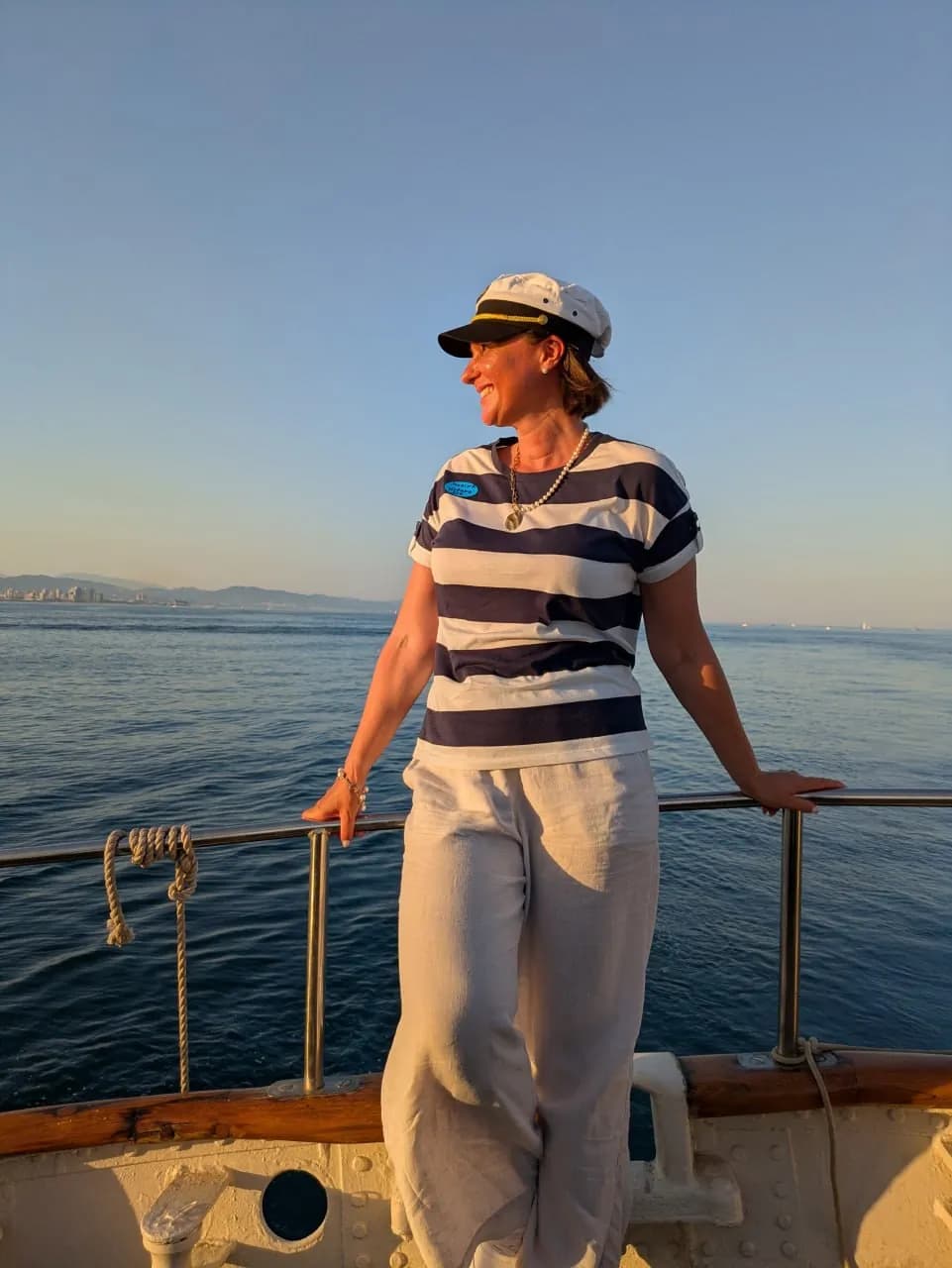
What sets Marina’s case apart is its international trajectory. She lives in Spain, works with a Russian-speaking audience all over the world, runs sessions and games online and practises in Russian and English. Her clients now include people from Russia, Latvia, Lithuania, Spain, Italy, France, Cyprus, England, Germany, the Netherlands and the USA. “When people from Omsk and Philadelphia meet at the same game, you realise that the profession is no longer tied to an office. If you have a system and trust, you can work for the whole world,” says Marina. When a profession is not tied to a city, a country or a local market, for any coach that is a measure of freedom.
Her start was modest: just 300 followers on Instagram; she did not create a perfect new page from scratch, but started talking to the audience she already had: she told them about her training, invited them to practice sessions, published reviews, ran sessions and games. First her inner circle came, then recommendations, then her geography expanded (“By the way, it was all just as they taught us on the ‘Money in Coaching’ course,” Marina laughs, “I followed the algorithm exactly.”) This is an important point for those who think it is impossible to get started without a huge blog. Everything is possible if there is trust, regular action and a clear system for moving forward.
Client success starts with clarity
Marina’s clients come to her with all kinds of situations: someone has lost their job, someone is stuck in motherhood, someone wants to launch a project, someone doesn’t know where to go next. A person often comes with the conviction: “In my circumstances it’s impossible right now”: some have no time, or no money, others have small children, a move or the wrong moment. Too late. Too difficult. Everyone has their own “impossible”. Coaching helps to get around head-on resistance and carefully take the construction apart. Where is the fact, and where is the opinion? What really limits you, and what has become a habitual explanation? By what criteria will a person know that their goal matters? What small step is possible right now, without heroics or a complete overhaul of life? A person comes with a tangle of thoughts, and during the session the tangle gradually unravels. Clarity appears, unnecessary tension goes away, and most importantly, the first realistic step is found. This gives the person back the ability to see their options and make their own decisions. Marina shared that she asks her own children questions like these too and teaches them self-reflection.
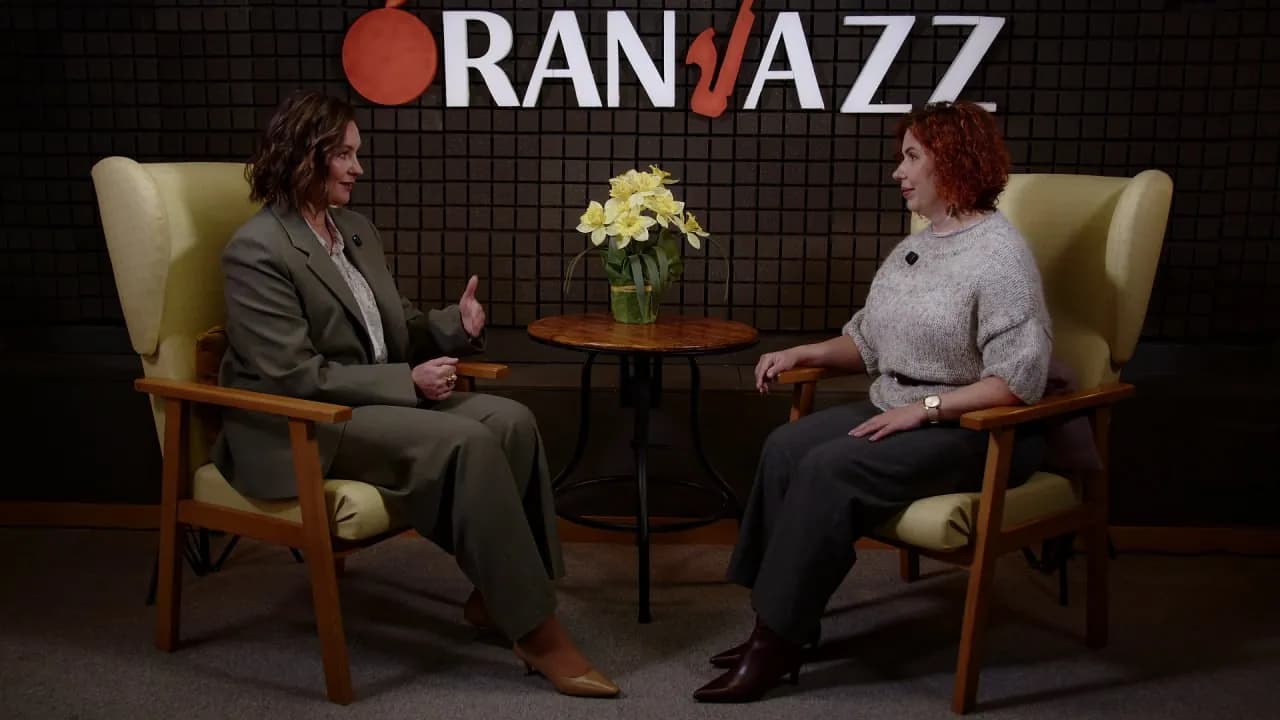
Game practice as an entry point, coaching as ongoing support
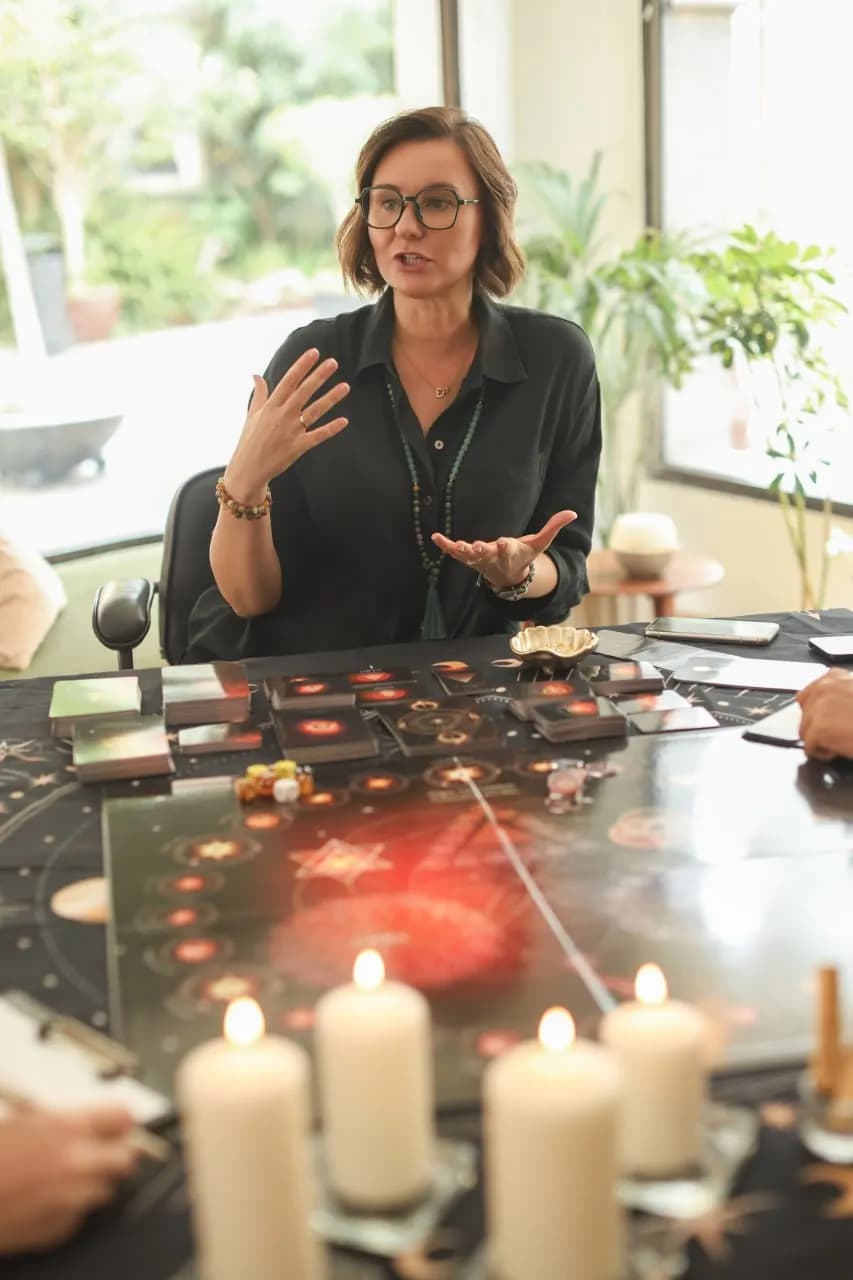
After the coaching programme, Marina trained in “The Atlanteans’ Game: Alchemy of a Dream” and added game practice to her work. Today she often introduces herself like this: game practitioner and coach. The game has become a powerful professional tool. Through it, a person sees their goal, their limitations, unexpected resources and first steps more quickly. The game brings energy, excitement and clarity. But then ordinary life begins: children, work, moves, fatigue, old habits, fears. And this is where coaching support comes in, helping the person keep their focus and turn an insight into a plan, a plan into action and action into results.
Ripples on the water: when one person changes, the people around them change too
What Marina values most is seeing how her clients’ changes spread further, beyond a single session. A vivid example is a client who for a long time could not build a relationship with her sister. She wanted to help, to give hints, to explain what would be better, but her sister saw this as pressure and became defensive. The coach and the client began to look at the conflict itself and the way they communicated. What will change if you ask a question instead of giving advice? What will happen if you stop trying to fix someone close to you and first ask them: “How can I support you?” or “What would you like to hear from me right now?” Marina’s client began to talk to her sister differently, without the habitual pressure of “I know better”. And soon she noticed that her sister had carried this new way of communicating into her own family, to her husband and children. For Marina herself, this was powerful confirmation: when a person learns to listen, ask questions, respect another person’s boundaries and choose their reaction, the quality of their relationships changes.
“What did the 5 Prism Academy give me? An assemblage point!”
The training became a true assemblage point for Marina. Everything she had accumulated before (marketing, international experience, motherhood, the children’s club, languages, personal crises, the ability to hear people) was preserved and carried over into her new profession.
Today Marina lives in Spain, runs a business, has an international practice, takes part in conferences, speaks as a coach, develops her personal brand, creates her own formats, invests in her development and is building a big professional dream — to become a top-notch, well-known game practitioner on a world scale.
Want the same result?
We will find a program that fits your goals